In Pain? Emergency appointments welcome.


Is Your Bite a Candidate for Orthodontics? What Our Evaluation Reveals

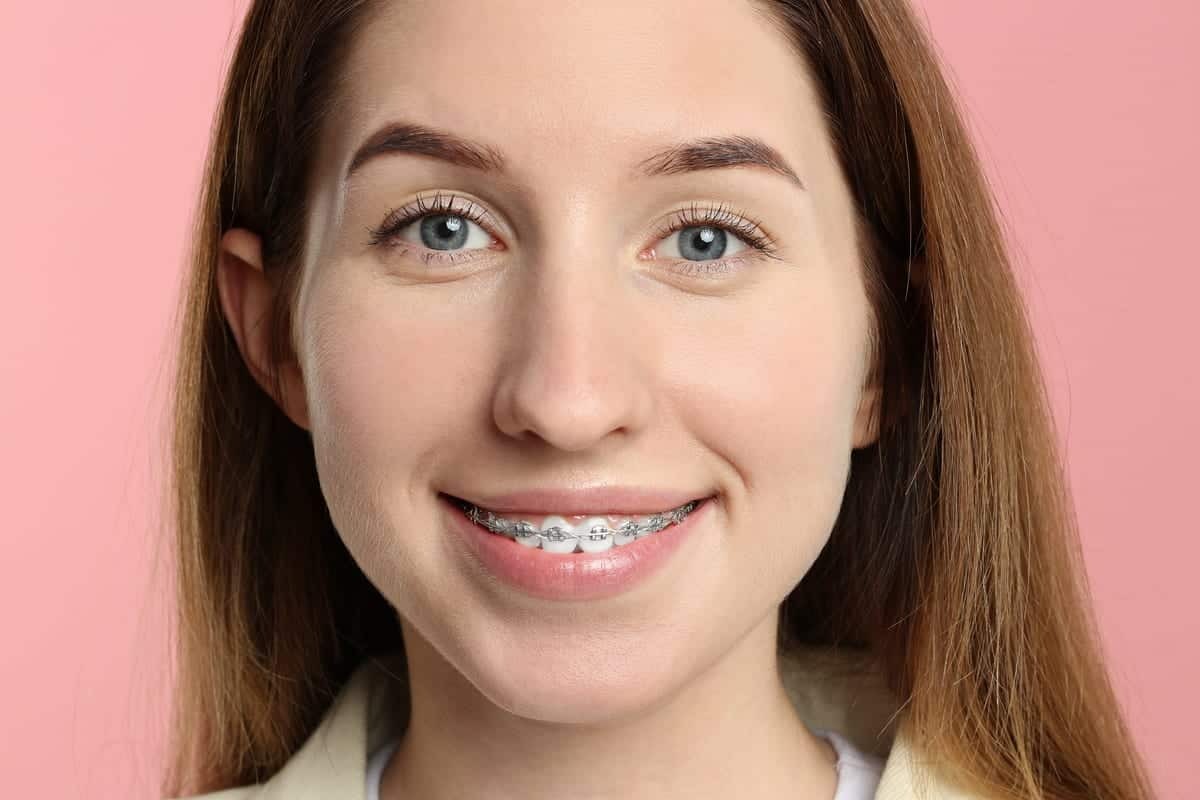
Many Towson residents live with bite problems without realizing orthodontics could help. Is your bite a candidate for orthodontics? What our evaluation reveals in Towson may surprise you. Dr. Michael W. Whitecar and the team at West Towson Dental assess far more than crooked teeth. Understanding who qualifies — and why — helps you make a confident, informed decision about your smile.
What Does a Bite Problem Actually Look Like?
A bite problem, called a malocclusion, occurs when your upper and lower teeth don’t align correctly. You might notice crowding, gaps, or teeth that overlap. Some people experience jaw pain, headaches, or uneven wear on their enamel. These signs often point to an underlying alignment issue worth evaluating.
Common bite problems we see in Towson patients include:
- Overbite — upper front teeth extend too far over the lower teeth
- Underbite — lower teeth sit in front of the upper teeth
- Crossbite — upper and lower teeth don’t meet symmetrically
- Open bite — front teeth don’t touch when the mouth is closed
- Crowding — teeth overlap due to insufficient space
- Spacing — gaps between teeth from missing or undersized teeth
Not every bite problem feels painful. Some patients only discover issues during a routine dental exam. That’s why an honest evaluation matters so much before pursuing any treatment.
Who Is a Strong Candidate for Orthodontic Treatment in Towson?
Orthodontics is not limited to teenagers. Adults in Towson seek treatment every day for functional and cosmetic reasons. The best candidates share a few key characteristics that our evaluation helps confirm.
Strong candidates typically include patients who:
- Have healthy gum tissue with no active Gum Disease Towson concerns
- Show no untreated tooth decay or infection
- Experience jaw discomfort, difficulty chewing, or speech challenges
- Want to improve smile aesthetics alongside functional alignment
- Are committed to wearing appliances and attending follow-up visits
Patients with active gum disease or severe decay must address those conditions first. Moving teeth through unhealthy tissue can worsen existing problems. Once oral health is stable, orthodontic treatment becomes far more predictable and effective.
Bone density and overall jaw structure also play a role in candidacy. Dr. Whitecar reviews these factors during your evaluation to ensure a safe treatment path.
What Our Evaluation Reveals at West Towson Dental
Our orthodontic evaluation is comprehensive and detail-oriented. It goes well beyond a visual inspection of your teeth. Dr. Whitecar uses digital X-rays and clinical measurements to assess your jaw, teeth, and supporting bone.
Here is what the evaluation process involves:
- Medical and dental history review — We gather information about past treatments, habits, and concerns.
- Clinical bite assessment — Dr. Whitecar examines how your teeth meet and how your jaw moves.
- Digital X-rays and imaging — These reveal root positions, bone levels, and hidden structural issues.
- Periodontal screening — We check gum health before recommending any tooth movement.
- Treatment planning discussion — We explain your options clearly so you can choose with confidence.
Patients sometimes arrive expecting to discuss orthodontics and discover other needs first. For example, a damaged tooth may require Root Canal Therapy Towson before braces or aligners can begin. Our evaluation catches these factors early so your treatment timeline stays on track.
The goal is honest, patient-centered information. We never recommend orthodontics unless it genuinely serves your health and goals.
Factors That Determine the Best Orthodontic Approach
Not every patient with a bite problem needs the same solution. Several factors guide which approach works best for your situation. Dr. Whitecar weighs each one carefully before making a recommendation.
Key factors in treatment planning include:
- Severity of misalignment — mild cases may resolve with clear aligners, while complex cases may need braces
- Age and jaw development — growing patients have more flexibility in treatment timing
- Existing dental work — crowns, bridges, or implants can affect how teeth move
- Patient lifestyle and preferences — some patients prefer discreet options like clear aligners
- Treatment duration expectations — realistic timelines vary from months to a few years
At West Towson Dental, we offer orthodontic options that fit different needs and lifestyles. We discuss each option transparently so you understand what’s involved before committing. Townson patients appreciate having a clear picture from the very first visit.
Combining orthodontics with other services often delivers better results. For instance, some patients benefit from teeth whitening or veneers after alignment is complete. We help you think through the full picture from the start.
Why Addressing Your Bite Matters Beyond Appearance
Many people think of orthodontics as a cosmetic choice. In reality, correcting bite problems protects your long-term oral health. Misaligned teeth are harder to clean thoroughly, increasing your risk of decay and gum disease.
Uneven bite forces also accelerate enamel wear. Over time, this can lead to sensitivity, chipping, or the need for restorative treatment. Addressing alignment early helps preserve your natural teeth for decades.
Jaw joint strain is another concern. A misaligned bite puts uneven stress on your temporomandibular joints. This can cause clicking, pain, or chronic headaches that worsen without treatment. Orthodontic correction often reduces these symptoms significantly.
Patients in Towson who invest in orthodontic care frequently report improvements in chewing comfort and confidence. The functional benefits are just as meaningful as the aesthetic ones. That’s why our evaluation examines both aspects equally.
Taking the Next Step in Towson
If you’ve been wondering whether your bite needs attention, an evaluation gives you real answers. Dr. Whitecar provides honest assessments without pressure. You leave with a clear understanding of your oral health and your options. Book Now to schedule your appointment with our team.
Frequently Asked Questions
At what age should someone consider an orthodontic evaluation?
Children can benefit from an initial evaluation around age seven, when jaw development makes early intervention possible. However, adults of any age can pursue orthodontic treatment successfully. Bone health and gum condition matter more than age when determining candidacy.
How long does the evaluation appointment take at West Towson Dental?
Most evaluations take between 45 minutes and one hour. This allows time for X-rays, a thorough clinical exam, and a detailed conversation about your goals and options. Dr. Whitecar takes care to answer your questions without rushing.
Can I get orthodontic treatment if I have dental crowns or implants?
Crowns and implants do affect treatment planning, but they don’t automatically disqualify you. Implants cannot move with orthodontic force, so placement timing matters. Dr. Whitecar reviews your full dental history during the evaluation to create a plan that works around existing restorations.
Will orthodontic treatment fix my jaw pain?
Bite correction can reduce jaw joint strain and related discomfort in many patients. However, jaw pain has multiple potential causes. During your evaluation, Dr. Whitecar assesses whether your discomfort relates to alignment or another condition, and recommends the most appropriate path forward.
What happens if my gums aren’t healthy enough for orthodontics right now?
We’ll address gum health first with appropriate periodontal care. Once your gums are stable and healthy, orthodontic treatment can proceed safely. This approach protects your teeth and ensures the best possible outcome from your orthodontic investment.