In Pain? Emergency appointments welcome.


Is Professional Teeth Whitening Safe for Your Enamel and Gums


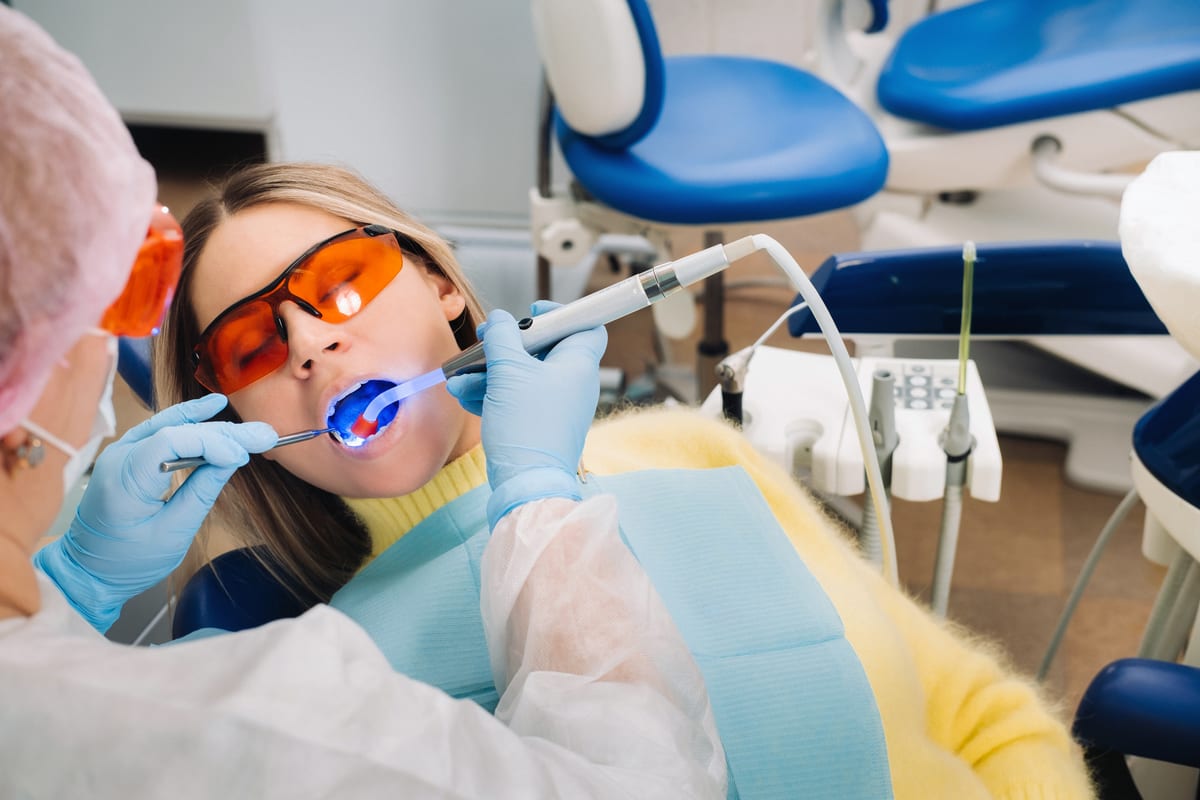
Many Towson patients ask the same question before scheduling a whitening appointment: is professional teeth whitening safe for your enamel and gums in Towson? It is a fair concern. Whitening treatments use peroxide-based agents that lighten tooth color. When used correctly under dental supervision, they are considered safe for most healthy adults. This article breaks down the facts so you can make a confident, informed decision.
How Professional Whitening Works and What It Does to Enamel
Professional whitening uses carbamide peroxide or hydrogen peroxide gels. These gels penetrate the outer enamel layer and break apart stain molecules inside the tooth. The enamel itself is not dissolved or permanently thinned during this process. Research consistently shows that properly administered whitening does not cause lasting enamel damage.
That said, temporary mineral changes can occur in enamel during treatment. These changes typically reverse within 24 to 48 hours after treatment ends. Your enamel naturally remineralizes using minerals from saliva. Dr. Michael W. Whitecar at West Towson Dental monitors this process to keep your teeth protected throughout your whitening plan.
Over-the-counter strips and gels often contain lower peroxide concentrations. However, misuse or overuse can still cause problems. Professional supervision ensures the correct concentration, correct application time, and proper fit of whitening trays. This dramatically reduces the risk of enamel irritation or damage.
Is Professional Teeth Whitening Safe for Your Gums in Towson?
Gum sensitivity is one of the most common concerns patients raise before whitening. Peroxide gel can irritate gum tissue if it makes prolonged contact. This is why professional whitening trays are custom-fitted to your unique bite. A proper fit prevents excess gel from seeping onto gum tissue.
Mild gum sensitivity during or after treatment is normal. It usually resolves within one to three days. Redness or irritation tends to be short-lived when treatment is supervised correctly. Dr. Whitecar uses protective barriers during in-office whitening sessions to shield your gums from the gel.
Patients with existing gum concerns should always disclose them before starting any whitening treatment. Active gum problems can worsen with peroxide exposure. If you have been told you have Gum Disease Towson patients deal with, treatment should come first before any cosmetic procedure is considered. Healthy gums are a prerequisite for safe whitening outcomes.
Who Should Avoid Teeth Whitening?
Professional whitening is not suitable for every patient. Understanding these exceptions helps set realistic expectations. The following groups should consult with their dentist before pursuing whitening:
- Patients with active cavities or untreated decay
- Individuals with severe enamel erosion or thinning
- Patients currently experiencing gum disease or gum recession
- Pregnant or breastfeeding individuals
- Children and teenagers under age 16
- Patients with extreme sensitivity to peroxide products
- Those with crowns, veneers, or bonding on front teeth (whitening will not change these restorations)
It is also worth noting that whitening does not work on all types of discoloration. Intrinsic stains caused by medication, trauma, or genetics may not respond well to peroxide-based treatments. A thorough evaluation at West Towson Dental in Towson, MD helps determine whether whitening will deliver the results you expect.
Patients who have recently undergone Root Canal Therapy Towson patients receive may have teeth that respond differently to whitening. These teeth can sometimes be treated with internal whitening techniques instead. Dr. Whitecar will assess each tooth individually to recommend the safest and most effective approach.
What Increases the Risk of Whitening Side Effects?
Several factors can raise the likelihood of experiencing side effects during whitening. Being aware of them helps you and your dentist plan a safer treatment. Common risk-increasing factors include:
- Using whitening products more frequently than recommended
- Leaving whitening trays in longer than instructed
- Using ill-fitting trays that allow gel contact with gums
- Starting whitening with untreated cavities or cracked teeth
- Having naturally thin or sensitive enamel
Tooth sensitivity during whitening is the most frequently reported side effect. It usually feels like a sharp, temporary twinge when eating cold foods or breathing cold air. This sensitivity almost always fades within a day or two after treatment. Using a desensitizing toothpaste before and after treatment can reduce this discomfort significantly.
Overuse is the most preventable cause of whitening-related problems. Many patients assume more treatments mean faster or better results. In reality, whitening too frequently can temporarily dehydrate enamel and increase sensitivity. Following the treatment schedule your dentist recommends keeps your results safe and lasting.
Professional Whitening vs. Store-Bought Products: A Safety Comparison
Store-bought whitening products are widely available and often appealing because of their low cost. However, they carry a higher risk of misuse. Most over-the-counter trays use a universal fit that rarely matches the contours of your specific teeth and gums.
Professional whitening at West Towson Dental involves a customized approach. Your dentist takes impressions of your teeth to create trays that fit precisely. The whitening gel concentration is also calibrated to your enamel health and sensitivity level. This personalized process makes professional whitening both more effective and significantly safer.
Additionally, Dr. Whitecar examines your teeth before treatment begins. This screening catches underlying problems that could make whitening unsafe or ineffective. No over-the-counter product includes this critical safety step. Investing in professional care means investing in your long-term dental health, not just a cosmetic result.
Conclusion: Whitening Safely Starts With the Right Guidance
Professional teeth whitening is one of the most studied and widely used cosmetic dental procedures available today. When performed correctly by a qualified dentist, it poses minimal risk to healthy enamel and gums. The key is proper evaluation, appropriate candidacy screening, and professional supervision throughout the process. Patients in Towson, MD can feel confident knowing that Dr. Michael W. Whitecar at West Towson Dental prioritizes safety at every step. Book Now to schedule your appointment with our team.
Frequently Asked Questions
Does professional teeth whitening permanently damage enamel?
No, professional teeth whitening does not permanently damage enamel when performed correctly. Temporary mineral changes can occur during treatment, but enamel naturally remineralizes within 24 to 48 hours. Dr. Whitecar uses professional-grade products and custom trays to minimize any temporary effects on enamel structure.
How long does gum sensitivity last after whitening?
Gum sensitivity after professional whitening typically resolves within one to three days. Custom-fitted trays and protective barriers used during in-office treatment greatly reduce the risk of gum irritation. If sensitivity persists beyond a few days, contact your dentist for guidance.
Can I whiten my teeth if I have crowns or veneers?
Whitening products do not change the color of dental restorations like crowns, veneers, or bonding. Whitening only affects natural tooth enamel. If you have visible restorations on your front teeth, your dentist will help you explore other options to achieve a consistent, even smile.
How often is it safe to whiten teeth professionally?
Most dental professionals recommend whitening no more than once or twice per year for optimal safety. Whitening too frequently can cause temporary enamel dehydration and increased sensitivity. Your dentist at West Towson Dental will recommend a schedule based on your individual enamel health and cosmetic goals.
Is teeth whitening safe during pregnancy?
Teeth whitening is generally not recommended during pregnancy or breastfeeding. This precaution exists because there is limited research on the effects of peroxide gels on fetal development. Most dentists advise waiting until after pregnancy and breastfeeding are complete before starting any whitening treatment.