In Pain? Emergency appointments welcome.


Dental Implants Candidacy in Towson, MD


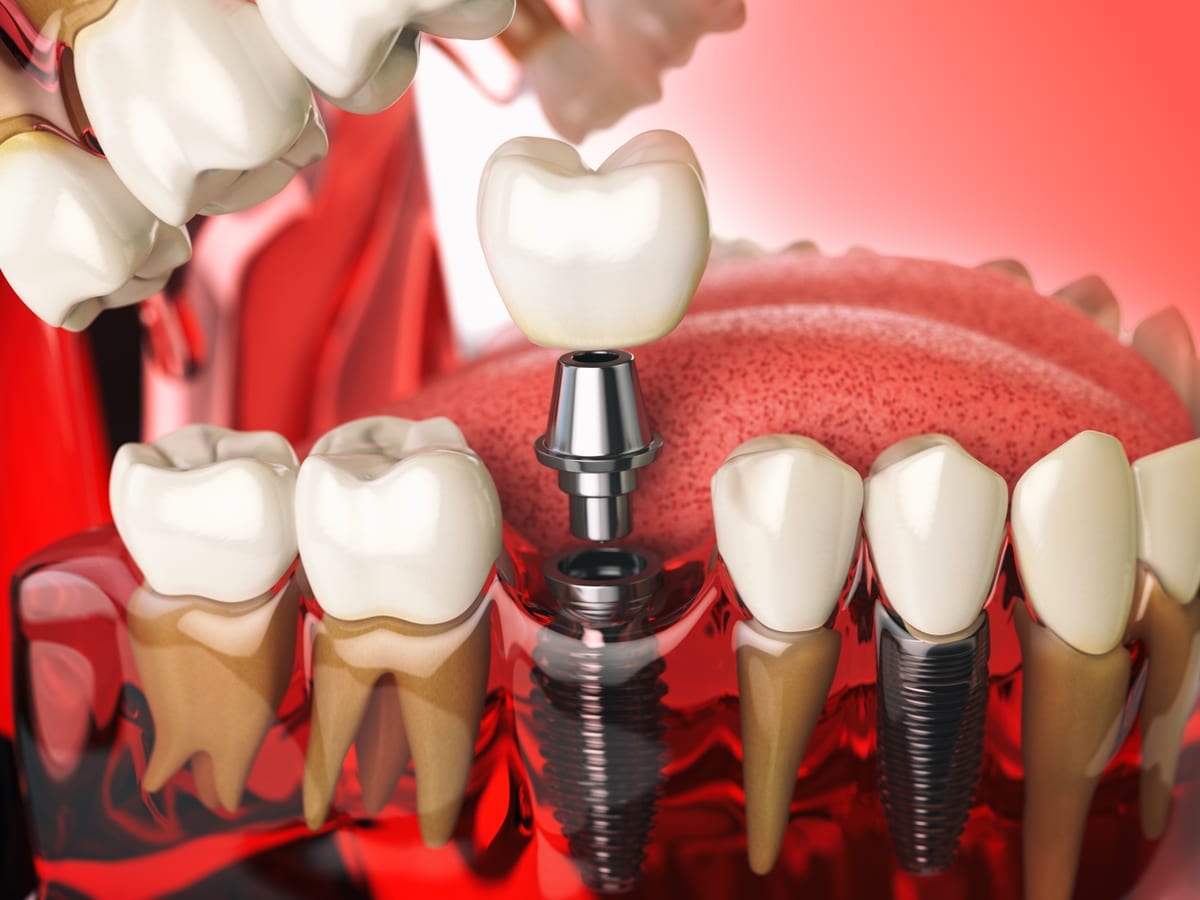
If you have a missing tooth, you have probably wondered whether implants are right for you. Many patients in Mays Chapel ask, can you get dental implants? The honest answer depends on several personal health factors. At West Towson Dental, Dr. Michael W. Whitecar helps patients find out their candidacy today — without pressure or guesswork.
Dental implants are one of the most durable tooth-replacement options available. They look, feel, and function like natural teeth. However, not every patient qualifies right away. Understanding the key criteria helps you make an informed decision.
What Makes Someone a Good Dental Implant Candidate in Mays Chapel?
A good candidate for dental implants meets several basic requirements. First, your jawbone must be healthy and strong enough to support the implant post. Second, your gums must be free from active infection or disease. Third, your overall health must allow for a minor surgical procedure.
Most adults over age 18 can qualify once their jaw has fully developed. There is no upper age limit for dental implants. Dr. Whitecar has successfully placed implants for patients well into their 70s and 80s. Age alone should never discourage you from exploring this option.
- Adequate jawbone density and volume
- Healthy gum tissue with no active infection
- Good general health to support healing
- Non-smoker or willingness to quit before treatment
- Commitment to daily oral hygiene and regular checkups
How Bone Density Affects Your Implant Candidacy
Bone density is one of the most critical factors in implant success. The titanium post must fuse with your jawbone through a process called osseointegration. If your bone is too thin or too soft, this fusion may not happen properly. This is especially common in patients who have been missing teeth for several years.
Bone loss begins almost immediately after a tooth is lost. Without the root stimulating the jaw, the bone gradually shrinks. Fortunately, a bone grafting procedure can rebuild lost bone volume before implant placement. Dr. Whitecar evaluates bone density using digital X-rays and 3D imaging right here in our Towson office.
If you need a bone graft, your treatment timeline will be longer. The graft typically needs several months to heal before implants can be placed. This extra step is worth it — it dramatically improves your long-term implant success rate.
Health Conditions That May Impact Your Candidacy
Certain health conditions can complicate dental implant treatment. However, many conditions are manageable and do not automatically disqualify you. Honest communication with Dr. Whitecar is essential during your consultation. He will review your full medical history before recommending any treatment.
Conditions that require careful evaluation include:
- Diabetes: Uncontrolled diabetes slows healing and increases infection risk. Well-managed diabetes often does not prevent implant placement.
- Osteoporosis: Medications used for osteoporosis can affect bone healing. Dr. Whitecar will coordinate with your physician if needed.
- Autoimmune disorders: These may affect how your body accepts the implant post.
- Heart conditions: Some cardiac medications or procedures require special precautions before surgery.
- Active Gum Disease: Untreated gum disease must be resolved before implant placement begins.
Patients who have undergone radiation therapy to the jaw area also require special evaluation. In many cases, implants are still possible with proper planning. Never assume a health condition rules out implants entirely — always consult with a qualified dentist first.
Does Smoking Affect Whether You Can Get Dental Implants?
Smoking is one of the most significant risk factors for implant failure. Tobacco use restricts blood flow to the gums and bone tissue. This slows healing and makes osseointegration much less reliable. Studies show that smokers have significantly higher implant failure rates than non-smokers.
This does not mean smokers can never receive implants. Dr. Whitecar strongly recommends quitting smoking at least two weeks before surgery and throughout the healing period. Patients who commit to stopping tobacco use dramatically improve their chances of long-term success. Your health and your investment are both worth protecting.
If you are unsure whether smoking affects your specific case, bring it up openly during your consultation. Dr. Whitecar takes a judgment-free, honest approach with every Mays Chapel patient. His goal is to give you accurate information so you can make the best decision for your smile.
What Happens If You Need Root Canal Therapy Before Implants?
Sometimes a tooth needs treatment before extraction and implant placement. Root Canal Therapy can save a natural tooth when infection has reached the inner pulp. However, if the tooth cannot be saved, extraction followed by an implant is often the next step. Dr. Whitecar will always explore tooth-saving options before recommending extraction.
The sequence of care matters greatly for implant candidacy. Treating existing infections protects the surrounding bone and gum tissue. Healthy surrounding tissue dramatically improves the environment for implant placement. Addressing these issues first sets your implant up for long-term success.
Your Path to Finding Out Your Implant Candidacy at West Towson Dental
The best way to find out your candidacy is through a personal consultation with Dr. Whitecar. Every patient’s situation is unique, and there is no one-size-fits-all answer. A thorough exam, digital X-rays, and an honest conversation give you the clearest picture. Mays Chapel residents can easily visit our conveniently located Towson office for this evaluation.
During your consultation, Dr. Whitecar will review your bone density, gum health, and medical history. He will explain your options clearly, including any preparatory steps needed. You will leave with a realistic treatment plan tailored specifically to your needs. There will be no surprises and no pressure.
Dental implants can genuinely change your quality of life. They restore your ability to eat, speak, and smile with full confidence. Many patients say they wish they had asked sooner about their candidacy. Do not let uncertainty hold you back from exploring this life-changing option.
If you have been wondering whether implants are right for you, now is the time to get a clear answer. Book Now to schedule your appointment with our team.
Frequently Asked Questions
Can older adults get dental implants?
Yes, there is no maximum age limit for dental implants. Older adults can qualify as long as they have adequate bone density and good overall health. Dr. Whitecar evaluates each patient individually to determine the best approach.
How do I know if I have enough bone for dental implants?
Dr. Whitecar uses digital X-rays and 3D imaging to assess your bone volume and density. If you have experienced bone loss, a bone graft can often rebuild the necessary structure before implant placement.
Can diabetes prevent me from getting dental implants?
Uncontrolled diabetes increases the risk of complications, but well-managed diabetes usually does not disqualify you from implants. Your dentist may work alongside your physician to ensure your blood sugar is stable before treatment begins.
How long does the dental implant process take?
The timeline varies depending on your individual needs. If preparatory procedures like bone grafting are required, treatment may take six months to over a year. Simple cases with no complications can sometimes be completed in a few months.
What is the success rate of dental implants?
Dental implants have a success rate of approximately 95 to 98 percent when placed in suitable candidates. Following proper aftercare, quitting smoking, and maintaining good oral hygiene all contribute to long-term success.