In Pain? Emergency appointments welcome.


What to Expect After Gum Disease Treatment: Your Recovery Timeline


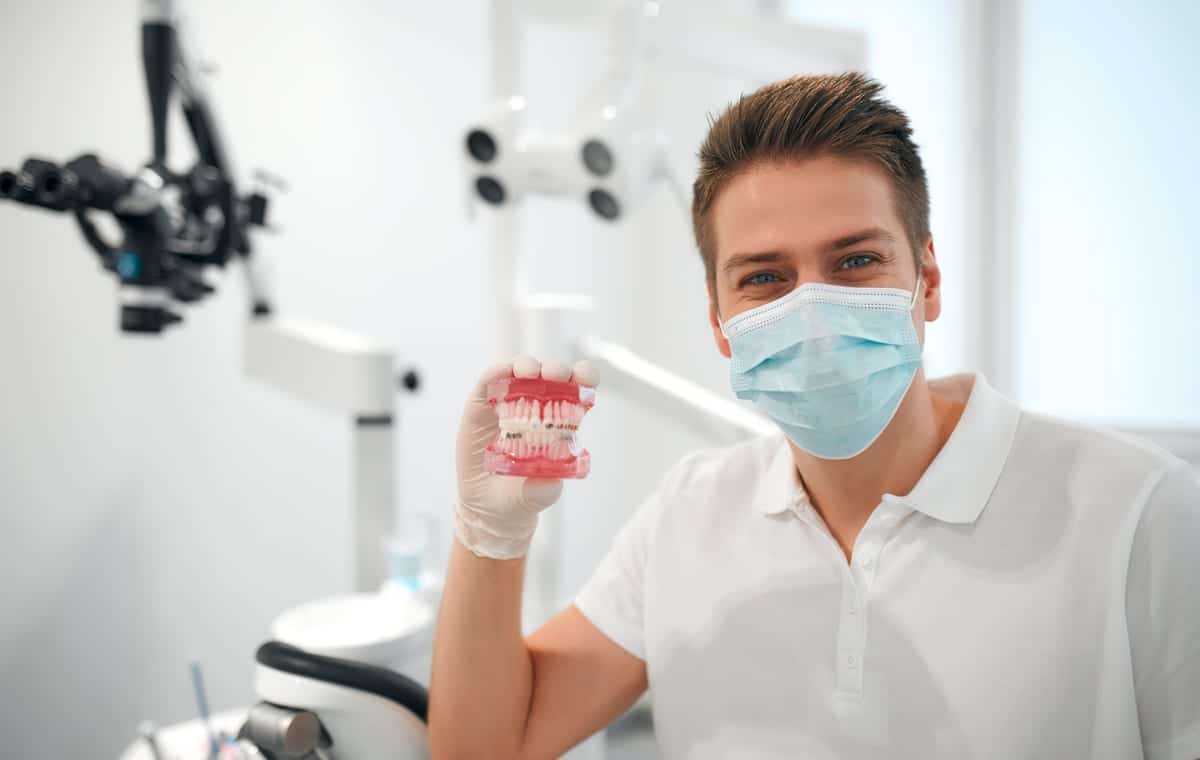
Understanding what to expect after gum disease treatment helps you heal faster and with less stress. Many Towson patients feel uncertain about their recovery timeline after procedures like scaling and root planing. At West Towson Dental, Dr. Michael W. Whitecar guides every patient through each step. Knowing what is normal — and what is not — makes all the difference.
Your Gum Disease Recovery Timeline in Towson
Recovery after gum disease treatment varies depending on the severity of the disease. Most patients who receive scaling and root planing experience mild discomfort for two to three days. Full tissue healing typically takes two to four weeks. Dr. Whitecar will schedule a follow-up visit to confirm your gums are responding well.
During the first 24 to 48 hours, your gums may feel tender and slightly swollen. This is completely normal and expected. Sensitivity to hot and cold foods may also increase temporarily. These symptoms usually resolve within a week for most patients.
By the end of week two, most patients notice significant improvement. Gum bleeding during brushing decreases noticeably. Inflammation begins to subside as your tissue heals from treatment. Staying consistent with your at-home care routine speeds up this process considerably.
What to Eat After Gum Disease Treatment
Your diet plays a major role in how comfortably you recover. Soft foods are strongly recommended during the first few days after treatment. They reduce pressure on sensitive gum tissue and help prevent irritation. Choosing the right foods helps your mouth heal without unnecessary setbacks.
Here are some ideal soft food options to enjoy early in your recovery:
- Mashed potatoes or soft-cooked vegetables
- Scrambled eggs or soft-boiled eggs
- Yogurt, applesauce, and smoothies
- Oatmeal, soft pasta, and well-cooked rice
- Lukewarm soups and broths
Avoid hard, crunchy, or spicy foods for at least five to seven days. These can irritate healing tissue and prolong your discomfort. Very hot beverages can also increase sensitivity and swelling. Alcohol and tobacco products should be avoided entirely during recovery.
Once tenderness subsides, you can gradually return to your normal diet. Dr. Whitecar will advise you during your follow-up visit on when this is safe. Never rush back to hard or chewy foods before your gums feel ready. Listen to your body and progress at a comfortable pace.
Managing Pain and Discomfort During Recovery
Some discomfort after gum disease treatment is completely expected. The good news is that most patients manage it easily with simple strategies. Dr. Whitecar at West Towson Dental provides clear aftercare instructions to minimize pain. Following these steps carefully helps you stay comfortable throughout your healing period.
These are the most effective pain management tips recommended after treatment:
- Take over-the-counter pain relievers like ibuprofen as directed
- Rinse gently with warm salt water two to three times daily
- Use a soft-bristled toothbrush to avoid aggravating tender gums
- Apply a cold compress to your cheek to reduce swelling
- Avoid vigorous rinsing or spitting for the first 24 hours
Prescription mouth rinses containing chlorhexidine are sometimes recommended. These help control bacteria while your gums heal. Use them exactly as instructed to avoid staining your teeth. Always complete the full course prescribed by Dr. Whitecar.
Tooth sensitivity is also very common after scaling and root planing. Using a sensitivity toothpaste can provide noticeable relief within days. Avoid teeth whitening products during recovery, as they can worsen sensitivity. If you are exploring other smile improvements after healing, you can ask Dr. Whitecar about Cosmetic Dentistry Towson options at your next visit.
Warning Signs: When to Call West Towson Dental
Most gum disease recovery is straightforward and uneventful. However, certain symptoms should prompt you to contact Dr. Whitecar right away. Knowing these warning signs helps you avoid complications and get timely care. Never hesitate to reach out if something feels wrong during your recovery.
Contact our office immediately if you experience any of the following:
- Severe or worsening pain that does not improve after two to three days
- Excessive bleeding that does not stop with gentle pressure
- Swelling that spreads to your jaw, neck, or face
- Fever or signs of infection such as pus or unusual discharge
- Loose teeth or a significant change in your bite
These symptoms are not typical parts of normal recovery. They may indicate an infection or another issue that requires prompt attention. If you are experiencing a dental emergency in Towson, contact us immediately for Emergency Dental Care Towson. Getting help quickly protects your long-term oral health outcomes.
Long-Term Care After Gum Disease Treatment
Treating gum disease is only the first step in protecting your smile. Maintaining your results requires consistent daily habits and regular professional care. Dr. Whitecar typically recommends more frequent cleanings after gum disease treatment. These are often called periodontal maintenance visits and may occur every three to four months.
At home, brushing twice daily and flossing once a day remain essential. Using an electric toothbrush can improve plaque removal around the gumline. Antimicrobial mouth rinses can also help control bacteria between visits. These small habits make a significant difference in preventing recurrence.
Lifestyle factors also impact your long-term gum health. Smoking is one of the strongest risk factors for gum disease recurrence. Stress and poor nutrition can also weaken your immune response. Discussing these factors openly with Dr. Whitecar helps you create a personalized prevention plan.
Conclusion: Heal Confidently With West Towson Dental
Recovering from gum disease treatment does not have to feel overwhelming. With the right aftercare, most Towson patients heal comfortably and see excellent long-term results. Dr. Michael W. Whitecar and the team at West Towson Dental are here to support you every step of the way. We answer your questions, monitor your healing, and adjust your care plan as needed.
Your gum health is the foundation of your overall oral health. Taking your recovery seriously now protects your smile for years to come. We make the process as smooth and stress-free as possible for every patient. Book Now to schedule your appointment with our team.
Frequently Asked Questions
How long does it take to recover from gum disease treatment?
Most patients experience noticeable improvement within one to two weeks after scaling and root planing. Full gum tissue healing typically takes two to four weeks. Your recovery time may vary depending on the severity of your gum disease. Dr. Whitecar will monitor your progress at a follow-up appointment.
Is it normal to have sensitive teeth after gum disease treatment?
Yes, tooth sensitivity is very common after scaling and root planing. The procedure removes tartar from below the gumline, exposing areas that are temporarily more sensitive. Using a sensitivity toothpaste and avoiding very hot or cold foods helps manage this. Sensitivity usually improves within one to two weeks after treatment.
What foods should I avoid after gum disease treatment?
Avoid hard, crunchy, spicy, and very hot foods for at least five to seven days. These can irritate healing gum tissue and increase discomfort. Alcohol and tobacco should also be avoided during the entire recovery period. Soft, lukewarm foods are the safest choice in the days immediately following treatment.
When should I be concerned about my recovery?
Contact West Towson Dental right away if you experience severe or worsening pain, excessive bleeding, or swelling that spreads beyond your mouth. A fever or signs of infection are also serious warning signs. These symptoms are not part of normal recovery and need prompt evaluation. Dr. Whitecar is available to address any concerns during your healing process.
How can I prevent gum disease from coming back?
Consistent daily brushing and flossing are the most important steps you can take. Attending your recommended periodontal maintenance visits every three to four months also helps significantly. Avoiding tobacco, managing stress, and maintaining a healthy diet all support better gum health. Dr. Whitecar will work with you to build a long-term prevention plan tailored to your needs.