In Pain? Emergency appointments welcome.


Is Your Tooth Pain Telling You Something Serious About a Root Canal


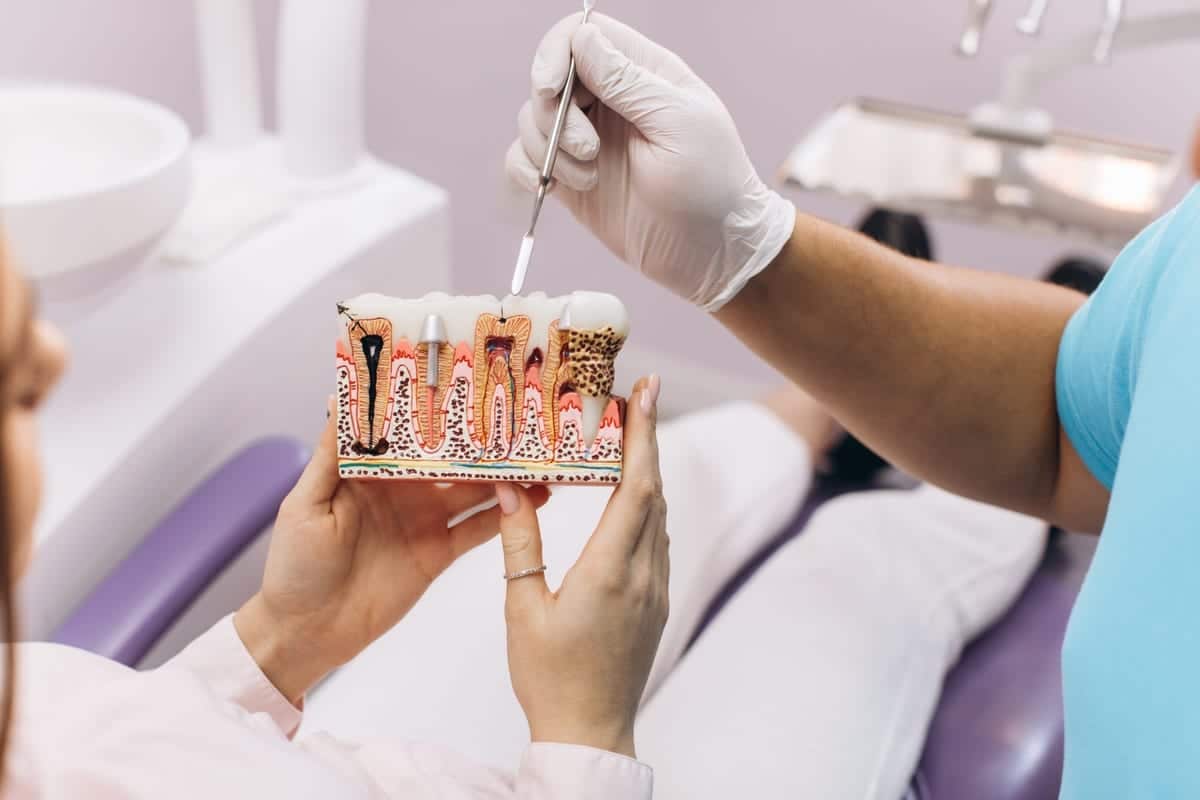
Tooth pain is never something to brush off. If you have been wondering whether your tooth pain is telling you something serious about a root canal in Towson, you are not alone. Many patients at West Towson Dental ask Dr. Michael W. Whitecar the same question. Understanding the warning signs early can protect your tooth — and your overall health.
Root canals have an undeserved reputation for being frightening. In reality, the procedure relieves pain rather than causing it. The real danger lies in waiting too long to seek care. Let’s walk through the key symptoms and what they could mean for your smile.
What Is a Root Canal and Why Might You Need One in Towson?
A root canal treats infection deep inside a tooth. Each tooth contains soft tissue called pulp, which houses nerves and blood vessels. When bacteria reach this inner chamber, the pulp becomes inflamed or infected. Without treatment, that infection spreads.
Root Canal Therapy Towson is designed to remove the infected pulp, clean the canal, and seal the tooth. This stops the infection in its tracks. Most patients feel immediate relief after the procedure. Dr. Whitecar uses modern techniques to make the experience as comfortable as possible.
Many Towson residents delay care because they fear the treatment itself. However, ignoring the problem only allows the bacteria to multiply. Early intervention almost always leads to better outcomes and a faster recovery.
Warning Signs Your Tooth Pain Is Telling You Something Serious
Not all tooth pain means you need a root canal. However, certain symptoms strongly suggest the pulp is compromised. Recognizing these signs early can be the difference between saving and losing a tooth.
Here are the most common warning signs to watch for:
- Persistent, throbbing pain that does not go away on its own
- Sensitivity to hot or cold that lingers long after the stimulus is removed
- Severe pain when biting or chewing on one side of your mouth
- Darkening or discoloration of the affected tooth
- Swollen or tender gums near the painful tooth
- A pimple-like bump on the gum, often called a dental abscess
- Loose tooth without an obvious injury or cause
Each of these symptoms signals that the tooth’s inner tissue may be infected or dying. If you notice any combination of these signs, schedule an evaluation promptly. Dr. Whitecar will take X-rays and perform a thorough exam to confirm whether a root canal is the right step.
Why Waiting Makes Everything Worse
Dental infections do not resolve on their own. They grow. As bacteria spread, the infection can extend from the tooth into the surrounding bone. This makes treatment more complex and recovery longer.
A spreading infection can also affect neighboring teeth. In severe cases, the bacteria enter the bloodstream. This can cause serious systemic health complications that go far beyond your mouth.
Gum health is also at stake. Untreated tooth infections often lead to bone loss and gum damage around the infected site. If you already have concerns about your gum health, you should know that Gum Disease Towson treatment is available at West Towson Dental as well. Protecting both your gums and your teeth requires timely action.
Beyond health risks, waiting increases cost and complexity. A tooth that could have been saved with a root canal may require extraction if the damage progresses too far. Tooth replacement options like implants are effective, but preserving your natural tooth is always the preferred outcome.
What the Root Canal Process Looks Like at West Towson Dental
Many patients feel anxious because they do not know what to expect. Understanding the process helps ease that anxiety considerably. Dr. Whitecar and the West Towson Dental team walk every patient through each step before starting.
Here is a simple overview of what the procedure involves:
- Numbing the area: Local anesthesia ensures you feel no pain during treatment.
- Accessing the pulp: A small opening is made in the tooth’s crown to reach the inner chamber.
- Removing infected tissue: The damaged pulp is carefully cleaned out from the canals.
- Shaping and cleaning: The canals are shaped and disinfected thoroughly.
- Sealing the tooth: A biocompatible material fills the canals to prevent reinfection.
- Placing a crown: A dental crown is typically placed to restore strength and function.
Most root canals are completed in one or two appointments. Patients are often surprised by how straightforward the experience feels. After treatment, mild soreness is normal for a few days. Over-the-counter pain relievers typically manage any discomfort well.
How to Know When to Call Dr. Whitecar Right Away
Some situations require emergency dental attention. Do not wait for a scheduled appointment if you experience any of the following. These symptoms suggest a rapidly progressing infection that needs immediate evaluation.
- Severe, unrelenting jaw or face pain
- Significant facial swelling that worsens quickly
- Fever combined with tooth pain
- Difficulty swallowing or breathing due to swelling
- A dental abscess that bursts and drains into your mouth
West Towson Dental offers emergency dentistry services for situations exactly like these. Call the practice as soon as possible if you experience these warning signs. Getting evaluated quickly can prevent the infection from spreading further.
Even if your symptoms feel mild, trust your instincts. If something feels wrong with your tooth, it probably needs attention. A quick exam can either confirm a problem or give you peace of mind that everything is fine.
Protecting Your Smile Starts With Acting Quickly
Tooth pain rarely disappears without treatment. If your symptoms match what we have described above, a root canal may be the solution that saves your tooth and restores your comfort. Dr. Michael W. Whitecar and the entire West Towson Dental team are here to guide you through the process with compassion and expertise.
Towson residents deserve accessible, honest dental care. We believe in educating our patients fully before recommending any treatment. If you are unsure whether your tooth pain is telling you something serious, the best step is simply to come in for an evaluation.
Do not let fear or uncertainty delay the care your smile needs. Book Now to schedule your appointment with our team.
Frequently Asked Questions
How do I know if I need a root canal or just a filling?
Fillings treat cavities that have not yet reached the tooth’s inner pulp. If the decay or damage has reached the pulp — causing infection or nerve involvement — a root canal becomes necessary. Signs like persistent pain, swelling, or sensitivity that lingers after temperature exposure often point toward a root canal rather than a simple filling. Dr. Whitecar will take X-rays and perform an exam to determine the right course of treatment for your specific situation.
Is a root canal painful?
Most patients report that a root canal feels similar to getting a tooth filled. Modern anesthesia effectively numbs the area, so you should not feel pain during the procedure. Any discomfort afterward is usually mild and managed easily with over-the-counter medication. The relief from eliminating the infection typically far outweighs the temporary soreness of recovery.
What happens if I ignore tooth pain and skip treatment?
Ignoring the pain allows the infection to spread. Bacteria can move into the surrounding bone, gum tissue, and even neighboring teeth. In severe cases, the infection can become life-threatening if it spreads through the bloodstream. Beyond health risks, delaying treatment often means the tooth cannot be saved and must be extracted instead.
How long does recovery take after a root canal?
Most patients return to their normal routines the day after treatment. Some mild tenderness or sensitivity around the treated tooth may last two to three days. Avoiding very hard or crunchy foods during this time helps protect the tooth. Once a permanent crown is placed, the restored tooth functions just like a natural tooth.
Can a tooth that has had a root canal get infected again?
A properly treated and sealed tooth has a very low risk of reinfection. However, if the crown is damaged or the seal breaks down over time, bacteria can re-enter. Regular dental check-ups at West Towson Dental allow Dr. Whitecar to monitor root canal-treated teeth and catch any issues before they become problems.