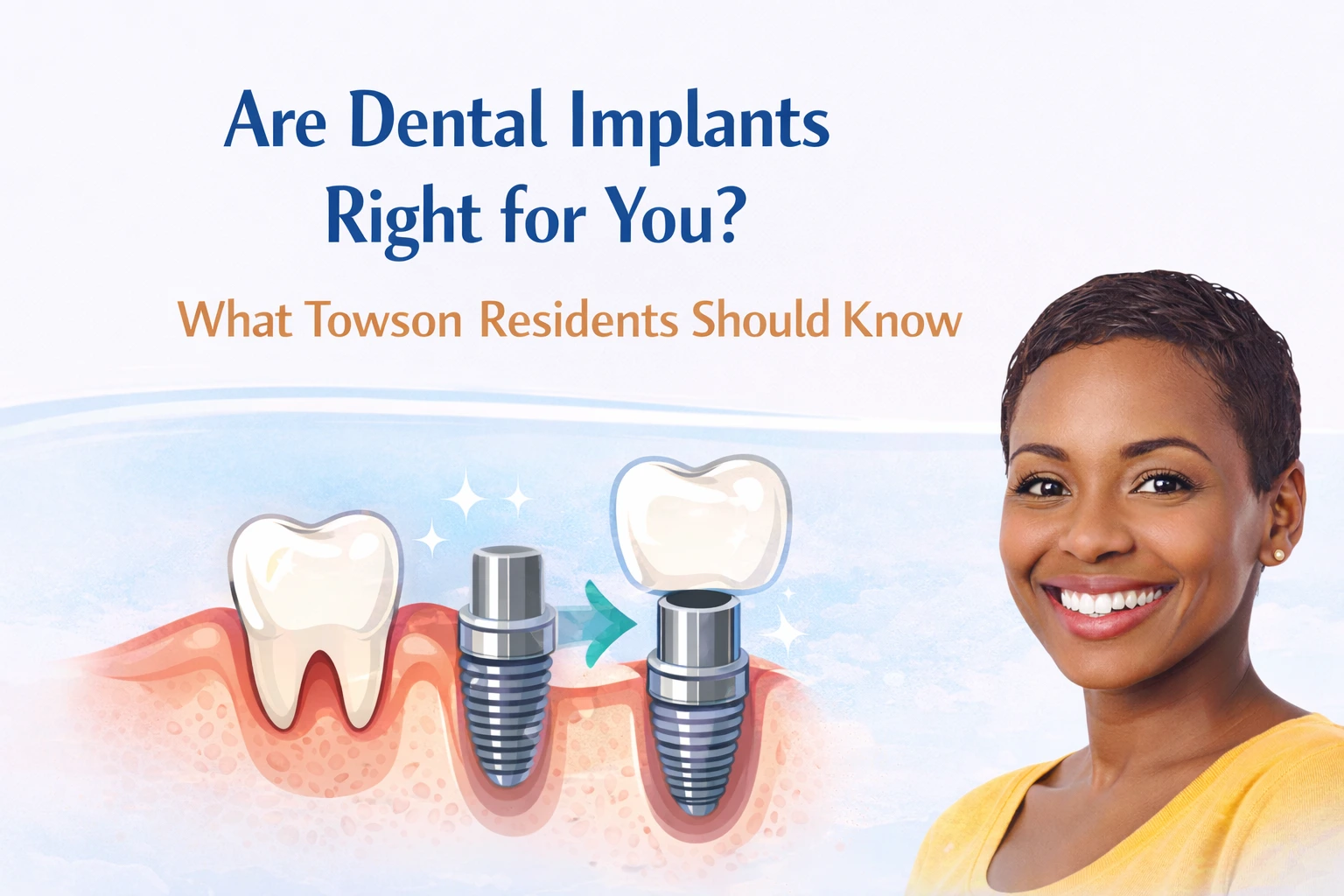
In Pain? Emergency appointments welcome.


How Long Do Dental Implants Last? Insights from a Towson Dentist


When it comes to filling the gap left by missing teeth, one concern nearly everyone shares is how long dental implants will last. It is a very pertinent question that deserves a very clear, direct answer. If you live in the Towson region and are contemplating the very popular alternative to missing teeth, you just might be very concerned about the lifespan of dental implants.
In this blog, we are going to break down everything you want to know about the longevity of dental implants. You will learn about factors that affect their longevity and proper care for these implants, making them a trusted choice for many individuals from Baltimore County to Towson.
Dental Implants And Their Lifespan
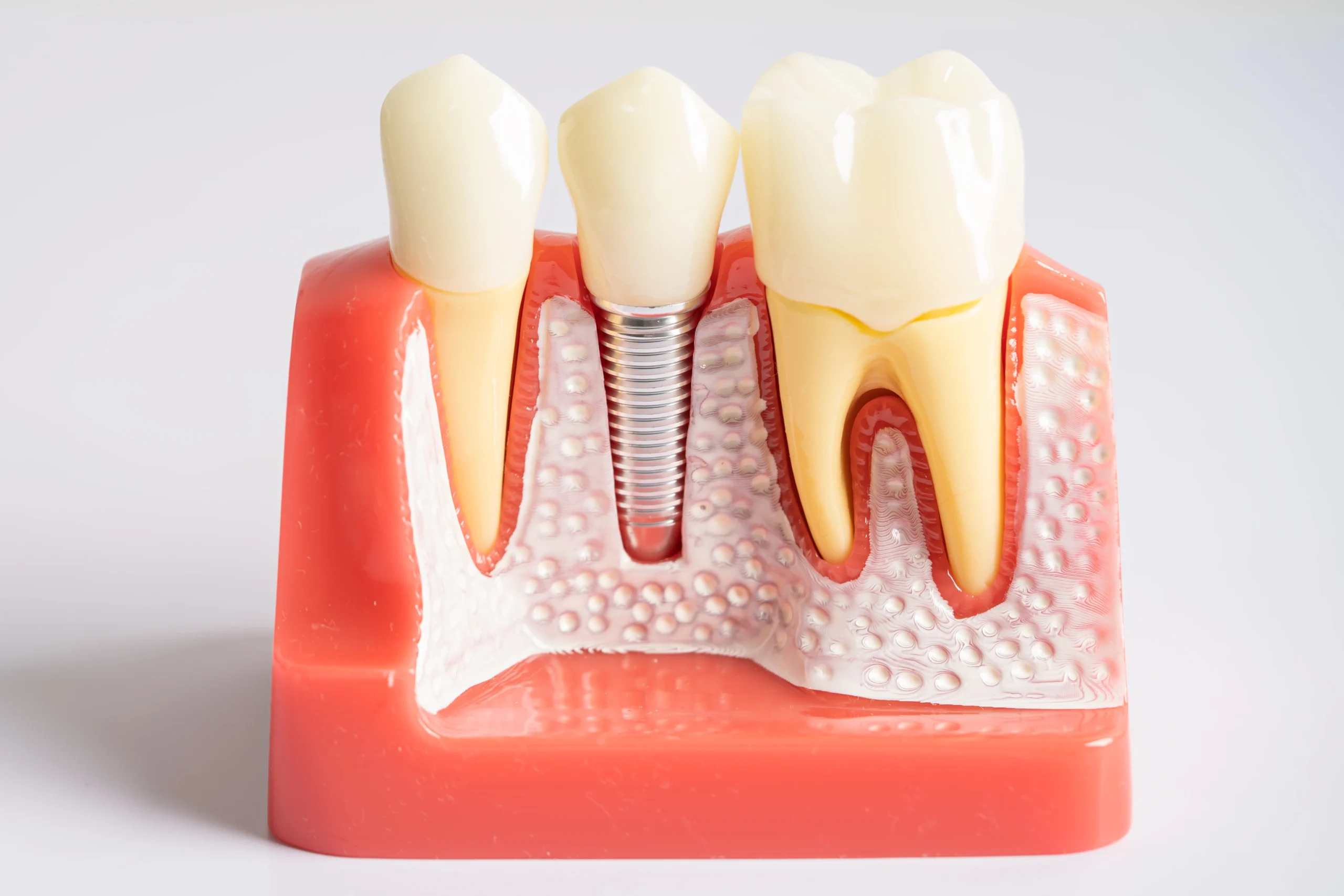
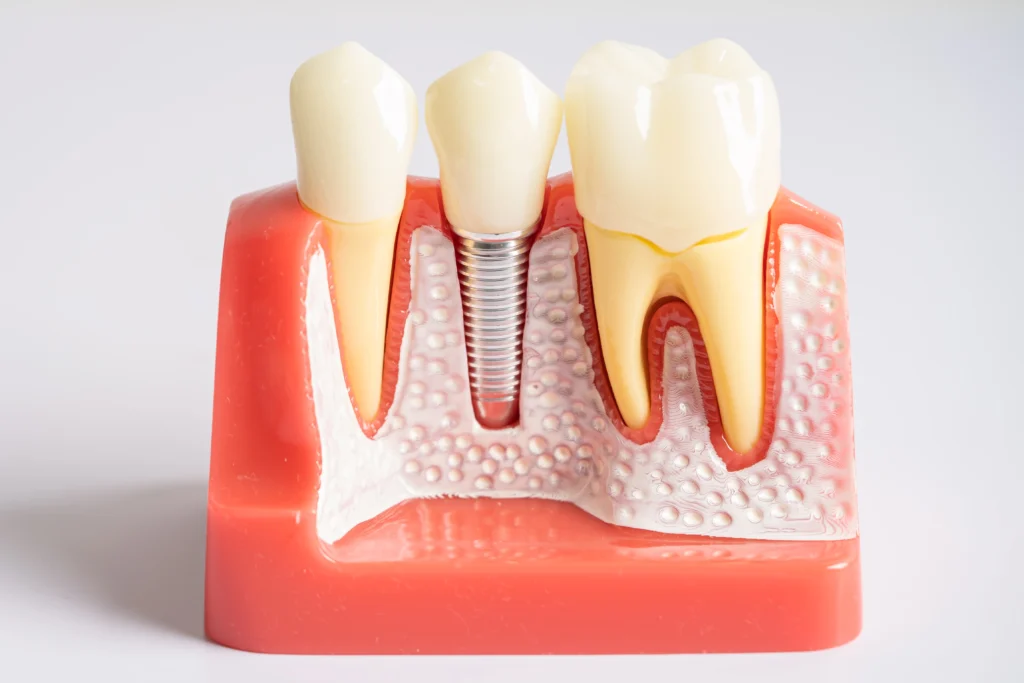
In simple terms, an implant is a titanium post placed in the jawbone that serves as an artificial root for a tooth. This root integrates with the bone through a process called osseointegration, providing a permanent base for a crown, bridge, or denture. Unlike other dentures and dental bridges, an implant is a permanent solution for lost teeth rather than a temporary solution.
However, when it comes to dental implants in Towson, many patients have asked how long dental implants last. A dental implant can last 25 years or a lifetime if implanted correctly. However, several important factors affect the longevity of dental implants.
Essential Considerations That Affect Dental Implant Durability
- Bone Strength and Density: Because implants exist in supported bone, individuals who have strong bone mass can enjoy these results for longer. If you have suffered bone atrophy due to tooth decay or gum disease, bone grafting may be required.
- Oral Hygiene Practices: Your teeth must be kept clean. Implants are not prone to cavities, but your gums are, and you could develop a condition known as peri-implantitis, a gum disease associated with implants that can cause them to become loose.
- Lifestyle Factors: Smoking and excessive alcohol use negatively affect healing and integration. Stopping smoking or limiting alcohol intake can contribute substantially to a successful implant outcome.
- Dental Check-ups: Visiting your dentist regularly for cleanings and check-ups helps identify issues before they become obvious. The value to the Towson community of readily available dental care is that it helps ensure follow-through care.
- Implant Placement and Method: The skill level of the dental professional and the technology employed during implant placement play an essential role in this regard. Skilled dentists and advanced technology can often achieve more successful results.
Care Tips to Ensure Maximum Lifespan of Dental Implants
Once you’ve invested in dental implants in Towson, proper maintenance is key to getting decades of service. The following are very easy habits that will help you extend the life of implants:
- Brush and Floss Daily: Use a soft-bristled toothbrush with non-abrasive toothpaste. Interdental brushes may also be used to clean around the implant areas.
- Use an Antimicrobial Mouthwash to rinse: This helps prevent bacterial accumulation and safeguards gums.
- Avoid Hard or Sticky Foods: Hard or sticky foods, such as ice or hard candies, can be tough on an implant or a crown.
- Remain Well-Hydrated and Eat Nutrient-Rich Diets: Well-nourished gums and oral tissues ensure sound oral and dental health.
- Regularly Visit Your Dentist: This is a simple way to ensure a healthier life and a healthier smile by keeping your mouth in perfect shape. You can start by visiting your dentist regularly and alerting them to any discomfort or swelling.
What is the Comparison Between Dental Implants and Other Solutions?
Compared to a partial denture or a fixed bridge, the durability of a dental implant is unequaled for its function, along with its ability to feel like a natural tooth. While dentures might need replacement or adjustment every 5 to 10 years, and bridges might last 10 to 15 years with good care, implants often outlast these options significantly. This is why dentists prefer implants over other alternatives.
That said, it’s important to note that dental implants are not “set it and forget it” solutions, as a lifetime of maintenance and attention is required to ensure a successful and healthy implant process.
The Final Word Concerning the Lifespan of Dental Implants
A dental implant offers a restorative option that has brought radical changes in dentistry by providing a way to replace a tooth, and with proper maintenance, it can last a lifetime or even several decades. For people in and around Towson, dental implant services are an effective option to boost confidence and improve dental comfort.
Although each patient’s case is different, the use of sophisticated implant technology and proper maintenance points to the success of dental implants in Towson. If dental implants are what you are thinking of, that is a decision of quality and durability.
Thinking About Dental Implants? Here’s How You Should Proceed
If you are interested in learning more about dental implants or exploring options for your smile, finding a local, experienced dentist could be highly beneficial. With West Towson Dental’s professional staff, Baltimore County patients can look forward to a happier smile.
Schedule a consultation today to see what a difference dental implants could make for your smile. A happier smile is just an implant away.
Common Questions People Ask About Dental Implants
What is the duration of a dental implant procedure from start to finish?
Generally, the entire procedure, from implant placement to crown attachment, takes 3 to 6 months.
Are dental implants an option for older people?
Yes, age itself is not an obstacle; bone quality is of much greater significance.
What is peri-implantitis?
It is an inflammation of the gum surrounding the implant, much like periodontal disease, and can pose a risk to the implant’s success if left untreated.
Are there any chances of failure in dental implants?
Although the success rate is high, there is a risk of failure due to infection, insufficient bone, or trauma.
Is the dental implant crown visible, and does it look natural?
Certainly, crowns are intended to blend with your own teeth in terms of both color and shape, giving you a pleasing appearance.
What is the approximate cost for a dental implant in and around Towson?
As for costs, they may vary depending on the case; however, implants cost more than dentures or bridges due to their nature and the procedures involved.
What do I do if my dental implant is loose or if it hurts?
You should contact your dentist to assess the problem. Early action may avoid further complications.